

Inflammatory Bowel Disease Specialist in Sydney
Dr James Pang is a gastroenterologist and hepatologist providing specialist care for patients with digestive and bowel conditions across Chatswood, Sydney’s North Shore and the Central Coast. He provided care for gastrointestinal and liver disorders, including inflammatory bowel disease, with services including gastroscopy and colonoscopy.
For patients in Sydney, seeing an inflammatory bowel disease specialist may help confirm the diagnosis, assess the severity of inflammation, manage flare-ups, reduce complications and plan long-term monitoring.
What is Inflammatory Bowel Disease?
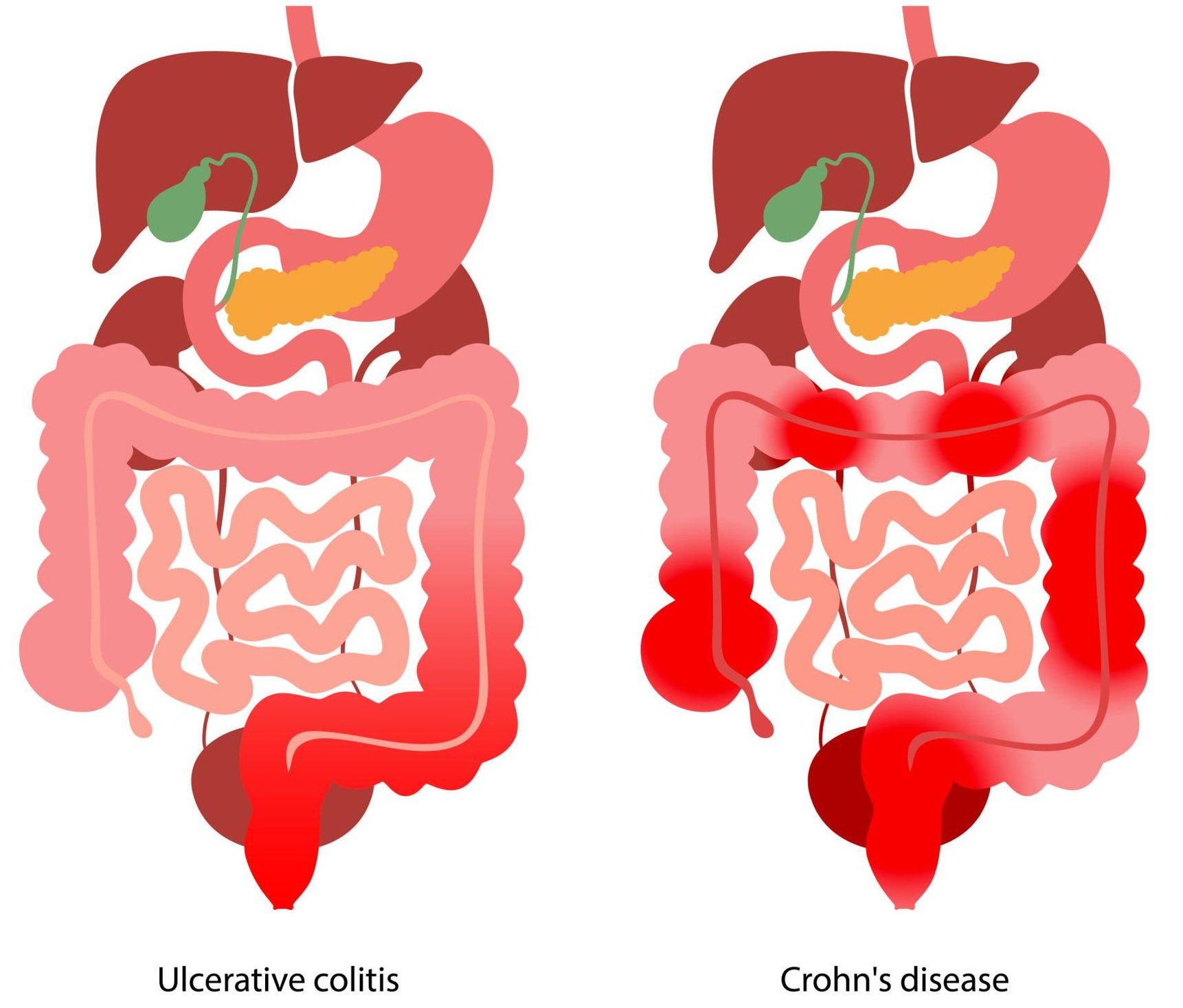
Inflammatory bowel disease, often called IBD, is a long-term condition that causes inflammation in the digestive tract. The two main types are Crohn’s disease and ulcerative colitis. These conditions can cause ongoing symptoms such as diarrhoea, abdominal pain, rectal bleeding, urgency, fatigue, weight loss, bloating and changes in bowel habits. IBD is different from irritable bowel syndrome, also known as IBS. IBS can cause bowel symptoms, but it does not cause the same bowel inflammation, ulceration or tissue damage seen in IBD.
What is an Inflammatory Bowel Disease Specialist?
An inflammatory bowel disease specialist is usually a gastroenterologist with experience in diagnosing and managing Crohn’s disease, ulcerative colitis and related inflammatory bowel conditions. Patients may be referred by their GP when symptoms suggest more than a simple stomach upset, food intolerance or functional bowel condition.
IBD can affect people differently. Some patients have mild symptoms that come and go, while others experience frequent flare-ups, bleeding, nutritional problems or complications outside the bowel. Specialist care aims to determine the type of IBD present, where the inflammation is located, how active it is, and which treatment approach may be appropriate.
For patients living in Chatswood, Lane Cove, Artarmon, Roseville, Lindfield, Willoughby, North Sydney, St Leonards, Frenchs Forest, the Northern Beaches and surrounding Sydney suburbs, local access to a gastroenterologist can make ongoing care more practical.
Symptoms That May Suggest Inflammatory Bowel Disease
IBD symptoms can overlap with other bowel conditions, so assessment is important. Symptoms that may require specialist review include:
- Ongoing diarrhoea: Especially if it persists, wakes you at night or is associated with urgency.
- Blood or mucus in the stool: This may occur with bowel inflammation and should be assessed.
- Abdominal pain or cramping: Particularly when recurrent, severe or associated with bowel changes.
- Unexplained weight loss: Weight loss may occur when inflammation affects appetite, absorption or food intake.
- Fatigue: Ongoing inflammation, anaemia or nutritional deficiencies may contribute to tiredness.
- Fever or night sweats: These may occur during active inflammation or infection.
- Perianal symptoms: Pain, swelling, discharge or fistula symptoms may occur in some people with Crohn’s disease.
- Symptoms outside the bowel: Some patients experience joint pain, mouth ulcers, eye inflammation, skin rashes or liver-related complications. Crohn’s & Colitis Australia notes that symptoms outside the gut may occur in some people with Crohn’s disease.
Who is Suitable to See an Inflammatory Bowel Disease Specialist?
You may be suitable for review by an inflammatory bowel disease specialist if you have symptoms that are persistent, unexplained or concerning. This may include people with suspected Crohn’s disease or ulcerative colitis, patients with a previous IBD diagnosis, or those needing a second opinion about ongoing bowel symptoms.
A specialist review may also be helpful if:
- Your symptoms are affecting daily life: Frequent bowel movements, urgency, pain, or fatigue can affect work, study, travel and social activities.
- You have abnormal test results: This may include raised inflammatory markers, iron deficiency, anaemia, abnormal stool tests or imaging findings.
- You have had rectal bleeding: Bleeding should not be assumed to be haemorrhoids without appropriate assessment.
- You are having recurrent flare-ups: Regular flares may suggest that treatment needs review.
- You need a colonoscopy or gastroscopy: Endoscopic assessment can help inspect the bowel lining and take biopsies if required.
- You have a family history of IBD: A family history may increase the need for earlier assessment when symptoms occur.
- You are transitioning care: Patients moving to Sydney, changing specialists or needing ongoing monitoring may benefit from establishing care with a local gastroenterologist.
Benefits of Seeing an Inflammatory Bowel Disease Specialist
The main benefit of specialist care is a clearer diagnosis and a structured management plan. IBD can be complex, and treatment often needs to be adjusted over time.
Benefits may include:
- Accurate diagnosis: A gastroenterologist can help distinguish IBD from IBS, infection, coeliac disease, diverticular disease, haemorrhoids and other causes of bowel symptoms.
- Assessment of disease severity: Testing can help determine whether inflammation is mild, moderate or severe.
- Personalised treatment planning: Management may include medication, nutritional advice, monitoring, colonoscopy, imaging or referral to other healthcare professionals.
- Flare-up management: A plan can help patients know what to do when symptoms worsen.
- Long-term monitoring: Regular review may help reduce the risk of complications and identify changes early.
- Coordination with other doctors: IBD care may involve a GP, gastroenterologist, dietitian, colorectal surgeon, pharmacist and sometimes other specialists.
Types of Inflammatory Bowel Disease
The two main types of IBD are Crohn’s disease and ulcerative colitis. IBD is a term mainly used to refer to Crohn’s disease and ulcerative colitis, which cause inflammation of the bowel and are thought to involve an immune system imbalance rather than a simple infection.
Diagnosis of Inflammatory Bowel Disease
Diagnosis usually starts with a medical history, physical examination and review of symptoms. Your specialist may ask about bowel frequency, bleeding, weight loss, family history, medications, travel, infections and previous test results.
What to do Before Seeing an Inflammatory Bowel Disease Specialist?
Before your appointment, it may help to prepare a clear summary of your symptoms and previous tests. This can make the consultation more useful.
Bring or prepare:
- A symptom timeline: Note when symptoms started, how often they occur and what makes them better or worse.
- Previous results: Bring blood tests, stool tests, imaging, colonoscopy reports, biopsy results and hospital discharge summaries if available.
- Medication list: Include prescription medicines, supplements, anti-inflammatory medications, antibiotics and previous IBD treatments.
- Family history: Mention any family history of Crohn’s disease, ulcerative colitis, bowel cancer, coeliac disease or autoimmune conditions.
- Diet notes: Note any foods that appear to worsen symptoms, but avoid making major restrictive changes without medical advice.
What Happens During an IBD Consultation?
During the consultation, Dr Pang will usually review your symptoms, medical history, risk factors and previous investigations. He may discuss whether further tests are needed, whether colonoscopy or gastroscopy is appropriate, and what management options may suit your situation.
The appointment may also include discussion about:
- Likely diagnosis: Whether symptoms suggest Crohn’s disease, ulcerative colitis or another bowel condition.
- Disease activity: Whether symptoms suggest active inflammation or another cause.
- Treatment options: This may include medication, monitoring, dietary support or referral if needed.
- Follow-up plan: IBD often needs ongoing review, especially after a flare, medication change or new diagnosis.
- When to seek urgent care: Severe pain, heavy bleeding, dehydration, fever, persistent vomiting or rapid deterioration may require urgent medical attention.
Treatment Options for Inflammatory Bowel Disease
Treatment depends on the type of IBD, location of inflammation, severity, previous treatments and the patient’s general health. Crohn’s & Colitis Australia notes that Crohn’s disease and ulcerative colitis cannot currently be cured, but for most people, they can be well managed through medication, lifestyle choices and sometimes surgery.
Treatment may include:
- Anti-inflammatory medicines: These may be used in selected patients, particularly in some cases of ulcerative colitis.
- Steroids: These may help control flare-ups but are usually not preferred as long-term maintenance treatment.
- Immune-modifying medicines: These may help reduce immune-driven inflammation in some patients.
- Biologic or advanced therapies: These may be considered for moderate-to-severe disease or when other treatments are not suitable or effective.
- Nutrition support: Diet does not cause IBD on its own, but nutrition is important for managing symptoms, addressing deficiencies, and supporting overall health.
- Surgery: Surgery may be needed for complications or a disease that does not respond adequately to medical treatment.
- Monitoring: Blood tests, stool tests, colonoscopy or imaging may be used to assess response and detect complications.
What to Expect After Seeing an IBD Specialist?
After your appointment, you may receive a plan for further testing, treatment or follow-up. If a colonoscopy or gastroscopy is recommended, you will receive preparation instructions. If medication is started or changed, monitoring may be arranged to check response and safety.
Many patients need ongoing care rather than a one-off visit. IBD often has periods of remission and flare. The aim of treatment is commonly to achieve remission, meaning symptoms are well controlled and tests show little disease activity.
Inflammatory Bowel Disease Prognosis
The outlook for IBD varies between patients. Some people have long periods of remission with minimal symptoms. Others may have frequent flares or complications requiring more intensive treatment. Early diagnosis, regular monitoring and appropriate treatment can help reduce the risk of complications and support quality of life.
Inflammatory Bowel Disease Risks
IBD can lead to complications, particularly when inflammation is ongoing or severe. Risks may include anaemia, dehydration, malnutrition, bowel narrowing, abscesses, fistulas, severe colitis and increased bowel cancer risk in some patients with long-standing colonic inflammation.
Treatment also needs careful monitoring. Some medicines can affect the immune system or require blood tests. Your specialist can explain the benefits and risks of each treatment option in relation to your circumstances.
What if Inflammatory Bowel Disease Assessment is Delayed?
Delaying assessment may allow inflammation to continue. This can increase the risk of worsening symptoms, flare-ups, nutritional deficiencies, hospitalisation or complications such as bowel narrowing, abscess or fistula in some patients.
Patients should seek medical advice if they have persistent diarrhoea, rectal bleeding, unexplained weight loss, ongoing abdominal pain or symptoms that are worsening. Early assessment does not always mean a serious condition will be found, but it can help clarify the cause and guide appropriate care.
Local IBD Care in Sydney
Dr James Pang provides gastroenterology care for patients across Chatswood, Sydney’s North Shore and surrounding areas. Patients may attend from Chatswood, Artarmon, Lane Cove, Roseville, Lindfield, Killara, Gordon, Willoughby, St Leonards, North Sydney, Mosman, Frenchs Forest, Dee Why, Brookvale, Manly and the wider Northern Beaches.
For people looking for an inflammatory bowel disease specialist in Sydney, local specialist care may help with diagnosis, colonoscopy, treatment planning and long-term monitoring of Crohn’s disease and ulcerative colitis.
FAQs About Inflammatory Bowel Disease Specialist
Is IBD the same as IBS?
No. IBD and IBS are different. IBD involves inflammation of the bowel, while IBS is a functional bowel condition that does not cause the same bowel inflammation or ulceration.
Do I need a referral to see an IBD specialist?
Many patients are referred by their GP. A referral may also help with Medicare rebates where applicable. Patients should check referral requirements when booking.
Can IBD be cured?
Crohn’s disease and ulcerative colitis are usually long-term conditions. They cannot currently be cured in most cases, but many patients can achieve good symptom control and remission with appropriate care.
Will I need a colonoscopy?
A colonoscopy is commonly used to investigate suspected IBD and monitor known IBD, but whether it is needed depends on your symptoms, history and previous results.
When should I seek urgent care?
Seek urgent medical help if you have severe abdominal pain, heavy rectal bleeding, persistent vomiting, dehydration, high fever, fainting, or rapidly worsening symptoms.