
Colonoscopy in Chatswood, North Shore, Sydney & Northern Beaches
Dr James Pang provides specialist gastroenterology care for patients who may need a colonoscopy due to bowel symptoms, a positive bowel screening test, a history of bowel polyps, family history of bowel cancer, inflammatory bowel disease or other digestive concerns.
Patients commonly attend from Chatswood, Willoughby, Artarmon, Lane Cove, Roseville, Lindfield, Killara, Gordon, Pymble, St Ives, Mosman, North Sydney, Frenchs Forest, Forestville, Dee Why, Brookvale, Manly, Balgowlah and surrounding areas.
Colonoscopy may be recommended to investigate symptoms such as rectal bleeding, persistent changes in bowel habits, unexplained abdominal pain, iron deficiency, chronic diarrhoea, unexplained weight loss or abnormal bowel screening results.
If you are looking for a gastroenterologist in Chatswood, or a gastroenterologist for Northern Beaches patients, Dr Pang can provide assessment, advice and referral guidance for colonoscopy where clinically appropriate.
What is a Colonoscopy?
A colonoscopy is a medical procedure used to examine the inside of the large bowel, including the colon and rectum. It is performed using a thin, flexible tube with a camera, called a colonoscope.
A colonoscopy allows the specialist to directly view the bowel lining and may help:
- Detect bowel abnormalities: Such as inflammation, ulcers, bleeding or narrowing.
- Identify and remove polyps: Polyps are small growths that may sometimes develop into bowel cancer over time.
- Screen for bowel cancer: Colonoscopy may be used after abnormal bowel screening results or for patients with higher risk factors.
- Investigate bowel symptoms: Including rectal bleeding, persistent diarrhoea, changes in bowel habits or unexplained abdominal pain.
Colonoscopy is an important test for detecting and managing conditions affecting the large bowel, including bowel polyps, inflammatory bowel disease and colorectal cancer.
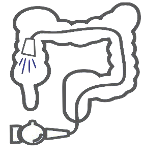
Colonoscopy Device
An instrument called a colonoscopy is used during a colonoscopy. It is a long, flexible tube with a tiny camera and light on the end to examine the inside of the colon (large intestine).
By adjusting the various controls on the colonoscope, your doctor can safely guide the instrument to examine the inner lining of the digestive system, including the upper or lower gastrointestinal tract.
Other instruments can be inserted through the colonoscope, allowing various therapeutic procedures to be performed during the procedure.
Such therapeutic procedures may include
- Biopsy - taking tissue samples (biopsies) and
- Polypectomy - removal of polyps (benign wart-like growths).
Polyps or growths are removed during a Colonoscopy and can later be sent to a pathology lab for diagnostic testing.
Who May Need a Colonoscopy?
A colonoscopy may be recommended if you have:
- A positive bowel screening test: A positive FOBT or iFOBT usually requires medical review and often a colonoscopy to check the cause of bleeding. Cancer Council Australia states that colonoscopy is the recommended follow-up test after positive iFOBT screening findings.
- Rectal bleeding or blood in the stool: This should be assessed, especially if it is new, persistent or associated with other bowel changes.
- A change in bowel habits: Ongoing diarrhoea, constipation, narrower stools or a new bowel pattern may need investigation.
- Unexplained abdominal pain or bloating: Colonoscopy may be considered when symptoms are persistent or concerning. You can also read more about the investigation of abdominal pain and bloating.
- Iron deficiency or unexplained anaemia: This can sometimes be related to bleeding from the bowel.
- A family history of bowel cancer or bowel polyps: Some patients need earlier or more frequent investigation.
- Previous bowel polyps: Colonoscopy may be used for surveillance and polyp removal. Read more about bowel polyps and bowel cancer screening.
- Inflammatory bowel disease: Patients with Crohn’s disease or ulcerative colitis may need a colonoscopy for diagnosis or monitoring. Read more about colonoscopy for inflammatory bowel disease.
Bowel Cancer Screening and Colonoscopy
In Australia, eligible people aged 45 to 74 can access a free bowel screening test through the National Bowel Cancer Screening Program every two years. This home test looks for small amounts of blood in the stool. If the result is positive, your GP may refer you to a gastroenterologist for further assessment, which may include a colonoscopy.
A colonoscopy is different from the home screening test. The home test helps detect possible signs of bleeding, while a colonoscopy allows the specialist to directly examine the bowel lining, take biopsies and remove polyps if appropriate.
Early detection is important. The Australian Government states that if bowel cancer is found early, more than 90% of cases can be successfully treated. Patients can learn more about bowel cancer screening and colonoscopy through Dr Pang’s related patient information.
Positive Bowel Screening Test: What Happens Next?
A positive bowel screening test does not necessarily mean you have bowel cancer. It means blood has been detected in the sample, and further assessment is needed. Causes may include polyps, haemorrhoids, inflammation or other bowel conditions.
Your GP may refer you to a gastroenterologist for review. Depending on your symptoms, medical history and risk factors, a colonoscopy may be recommended to examine the bowel and identify the cause of the positive result.
Patients with a positive FOBT and no other gastrointestinal symptoms may also ask about direct endoscopy appointments for suitable referrals.
Where Can I Have My Colonoscopy?
Dr Pang performs endoscopy procedures at accredited hospitals, including locations convenient for patients across Sydney’s North Shore and the Northern Beaches.
- Mater Hospital, Wollstonecraft: Convenient for patients from North Sydney, Crows Nest, St Leonards, Lane Cove, Chatswood, Mosman and surrounding North Shore suburbs.
- Northern Beaches Hospital, Frenchs Forest: Convenient for patients from Frenchs Forest, Forestville, Dee Why, Brookvale, Manly, Balgowlah, Seaforth, Narrabeen and surrounding Northern Beaches suburbs.
- Chatswood consulting rooms: Patients can attend Dr Pang’s Chatswood rooms for consultation, assessment, referral review and follow-up care. The current site lists the Chatswood rooms at Suite 112 / 63A Archer Street, Chatswood NSW 2067.
Benefits of Colonoscopy
Colonoscopy can help with early detection, diagnosis and treatment planning. It may allow bowel polyps to be removed before they become more serious. It can also assist in diagnosing conditions such as inflammatory bowel disease, diverticular disease, unexplained bleeding or bowel inflammation.
Types of Colonoscopy
There are two main reasons a colonoscopy may be performed:
- Diagnostic colonoscopy: Used when symptoms are present, such as rectal bleeding, abdominal pain, chronic diarrhoea, iron deficiency or a change in bowel habits.
- Screening or surveillance colonoscopy: Used for bowel cancer screening follow-up, previous polyps, family history, inflammatory bowel disease monitoring or other risk-based reasons.
Alternative Options to Colonoscopy
While colonoscopy is the gold standard for colon cancer screening, alternative options are available. These include faecal occult blood tests (FOBT), faecal immunochemical tests (FIT), stool DNA tests, and virtual colonoscopies. However, it's essential to note that these alternative options may not be as accurate as colonoscopy and may require follow-up testing.
Irregularities During Colonoscopy
Occasionally, narrowing of the bowel or other diseases may prevent the instrument from being inserted the full length of the colon.
If your doctor identifies any irregularities during the colonoscopy, they may recommend further testing or treatment, depending on the type and severity of the irregularity.
The irregularity may sometimes require additional testing, such as a CT scan or MRI. Your doctor will discuss any findings and recommend appropriate treatment based on your circumstances.
Preparation Before a Colonoscopy
Before your colonoscopy, you will be given specific instructions. These may include:
- Bowel preparation: You will need to follow a special diet and take bowel preparation medication so the bowel can be clearly examined.
- Fasting: The hospital will advise when to stop eating and drinking before the procedure.
- Medication advice: You may receive instructions about blood-thinning medication, diabetes medication or other medicines.
It is important to follow the preparation instructions carefully. A poorly prepared bowel can make the test harder to complete and may require the procedure to be repeated.
Colonoscopy Procedure
During a colonoscopy, you will usually lie on your side and receive sedation to help you remain comfortable. The colonoscope is gently passed through the rectum into the colon. The camera allows the specialist to examine the bowel lining on a monitor.
If polyps or abnormal tissue are found, they may be removed or biopsied during the procedure. Samples may be sent to pathology for testing.
What Happens After Your Colonoscopy?
After your colonoscopy, following Dr Pang’s aftercare instructions carefully is essential to ensure a smooth and successful recovery. Here are some common aftercare instructions you may receive:
- Rest: You should rest for the remainder of the day after your colonoscopy to allow the sedative to fully wear off. Arrange for someone to drive you home after the procedure.
- Diet: You may be instructed to follow a specific diet for a few days following your colonoscopy. Dr Pang may recommend avoiding certain foods, such as those high in fibre or difficult to digest, to reduce discomfort and promote healing.
- Medications: Dr Pang may advise you to stop taking certain medications shortly after the procedure, especially blood thinners. You should also avoid taking nonsteroidal anti-inflammatory drugs (NSAIDs), such as aspirin or ibuprofen, for a few days following your colonoscopy.
- Hydration: Drink plenty of fluids to help flush out your system and prevent dehydration. Avoid alcohol and caffeine for at least 24 hours following your colonoscopy.
- Physical activity: Avoid strenuous physical activity for at least 24 hours after the colonoscopy. Depending on the results, your doctor may recommend taking it easy for a few days after the procedure.
- Follow-up: You'll need to follow up with Dr Pang to discuss the results of your colonoscopy and any further treatment, such as removing polyps. He may also schedule a follow-up colonoscopy based on your risk factors and the results of the procedure.
Colonoscopy Prognosis
The prognosis for colonoscopy is excellent. It is a highly effective procedure for detecting colon cancer and can also identify and remove precancerous polyps. Early detection of colon cancer increases the likelihood of successful treatment and a better overall prognosis.
Colonoscopy Risks and Complications
Colonoscopy is commonly performed and is generally safe, but all procedures have risks. Possible complications include bleeding, reaction to sedation, infection or, rarely, a perforation of the bowel. Your individual risks depend on your medical history, medications and whether biopsies or polyp removal are required.
Dr Pang will discuss the risks, benefits and alternatives before the procedure.
What if a Colonoscopy is Delayed?
Delaying a recommended colonoscopy may delay diagnosis of bowel cancer, bowel polyps, inflammatory bowel disease or other bowel conditions. If your GP or specialist has recommended a colonoscopy, it is important to discuss the timing, your symptoms and any concerns you have about the procedure.
Book a Consultation
If you have bowel symptoms, a positive bowel screening test, previous bowel polyps, a family history of bowel cancer or concerns about your digestive health, you can book an appointment with Dr James Pang for a specialist assessment.
Dr Pang provides care for patients from Chatswood, Sydney’s North Shore, Frenchs Forest, the Northern Beaches and surrounding areas.
FAQs about Colonoscopy
Do I need a referral for a colonoscopy in Sydney?
Most patients are referred by their GP or another doctor. A referral helps Dr Pang review your symptoms, medical history, bowel screening result or previous test results. It may also help determine whether you are eligible for Medicare rebates and whether direct endoscopy is appropriate.
Where does Dr Pang perform colonoscopy for North Shore patients?
Dr Pang performs endoscopy procedures at locations including the Mater Hospital in Wollstonecraft, which is convenient for many North Shore patients from Chatswood, Lane Cove, St Leonards, Crows Nest, North Sydney, Mosman and surrounding areas.
Where does Dr Pang perform colonoscopy for Northern Beaches patients?
Dr Pang performs endoscopy procedures at Northern Beaches Hospital in Frenchs Forest, which is convenient for patients from Frenchs Forest, Forestville, Dee Why, Brookvale, Manly, Balgowlah, Seaforth, Narrabeen and nearby Northern Beaches suburbs.
Can I book a colonoscopy after a positive bowel screening test?
Your GP should review a positive bowel screening test. Many patients are then referred for specialist assessment and, if clinically appropriate, colonoscopy. A positive result does not always mean bowel cancer, but it does need follow-up.
Is a colonoscopy painful?
Most patients have sedation or a light anaesthetic during a colonoscopy to help minimise pain and discomfort. Some patients may feel bloated or pass wind after the procedure, but this usually settles.
Can polyps be removed during a colonoscopy?
Yes. If polyps are found, they can often be removed during the colonoscopy. The current Dr Pang page already explains that instruments can be passed through the colonoscope to take biopsies or remove polyps.
How long does a colonoscopy take?
A colonoscopy usually takes about 30 minutes to 1 hour, depending on the bowel, the quality of the bowel preparation and whether polyps or abnormalities are found.
Can I have a colonoscopy if I have bowel symptoms but my bowel screening test was negative?
Yes. A bowel screening test is not a replacement for a medical assessment if you have symptoms. Rectal bleeding, persistent changes in bowel habits, unexplained abdominal pain, chronic diarrhoea, iron deficiency or unexplained weight loss should be discussed with your GP or specialist.