

Bowel Polyps
What are Bowel Polyps?
Bowel polyps are abnormal tissue growths that form from the lining of the colon or rectum. They can vary in size, shape and type. Some are flat and subtle, while others grow on a small stalk. Many people with bowel polyps have no symptoms, which means they may only be discovered through bowel cancer screening or colonoscopy.
The main reason bowel polyps are important is that some bowel cancers develop from pre-cancerous polyps over time. Finding and removing these polyps can reduce the risk of bowel cancer. Cancer Council Australia recommends that eligible people complete a faecal occult blood test every two years, as bowel cancer can often be detected early before symptoms appear.
For Dr James Pang’s patients in Chatswood, the Sydney North Shore, Northern Beaches and Gosford, bowel polyp assessment may involve reviewing symptoms, family history, previous colonoscopy results, bowel screening test results and whether surveillance colonoscopy is needed.
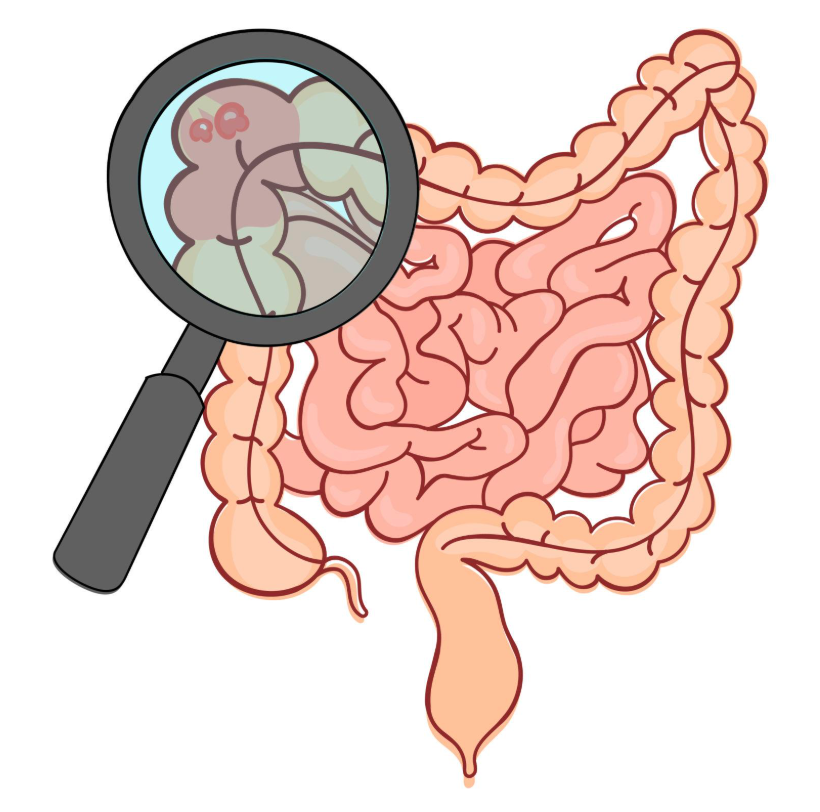
Impact of Bowel Polyps on Anatomy and Health
Bowel polyps grow from the inner lining of the large bowel. The large bowel plays an important role in absorbing water, forming stool and moving waste out of the body. A small polyp may not affect bowel function at all. However, larger polyps can sometimes bleed, irritate the bowel lining or contribute to changes in bowel habit.
Polyps may affect health in several ways:
- Bleeding: Some polyps can bleed slowly or intermittently. This may appear as visible blood in the stool or be detected only on a bowel screening test. A doctor should check the blood in the stool because it can have several causes, including serious conditions.
- Iron deficiency or anaemia: Slow blood loss from the bowel may contribute to low iron levels or anaemia. Patients may feel tired, weak, short of breath or unusually fatigued.
- Bowel habit changes: Larger polyps may be associated with constipation, diarrhoea, changes in stool shape or a feeling that the bowel is not emptying properly. Mayo Clinic lists changes in bowel habits and stool colour among possible symptoms of colon polyps.
- Cancer risk: Some types of polyps can become bowel cancer if left in place for long enough. Not all polyps become cancerous, but identifying the type and removing higher-risk polyps are key parts of prevention.
- Need for surveillance: Once polyps are found, some patients require follow-up colonoscopy at the recommended interval. The timing depends on the number, size and type of polyps removed, as well as family history and other risk factors.
For patients across Sydney’s North Shore and Northern Beaches, bowel polyps are often investigated after symptoms such as rectal bleeding, unexplained bowel changes, abdominal discomfort or a positive bowel screening test.
Causes and Risk Factors for Bowel Polyps
Bowel polyps form when cells in the lining of the bowel grow in an abnormal or uncontrolled way. In many cases, there is no single cause. Instead, polyps develop due to a combination of age, genetics, bowel lining changes, inflammation and lifestyle-related risk factors.
Common contributing factors include:
- Age-related cell changes: As people age, the bowel lining has more time to develop abnormal cell growth.
- Genetic tendency: Some people inherit a higher risk of developing multiple polyps or bowel cancer.
- Family history: Having a parent, sibling or child with bowel cancer or significant polyps can increase risk.
- Chronic bowel inflammation: Long-term inflammatory bowel disease can change the bowel lining and increase cancer risk.
- Diet and lifestyle: Diets high in processed meats, smoking, alcohol, obesity and low physical activity may contribute to bowel cancer risk.
- Previous polyps: A person who has had bowel polyps before may develop new polyps in the future.
Bowel polyps are not caused by a single meal, a single symptom, or a short-term change in bowel habits. They usually develop over time. This is why screening, symptom review and colonoscopy are important tools for early detection and prevention.
Symptoms of Bowel Polyps
Many bowel polyps cause no symptoms. This is one reason bowel screening and colonoscopy are important. A person may feel completely well and still have polyps.
When symptoms do occur, they may include:
- Blood in the stool or rectal bleeding
- A change in bowel habit, such as diarrhoea or constipation
- Mucus in the stool
- Abdominal pain, bloating or cramping
- A change in stool shape or appearance
- Unexplained tiredness or iron deficiency
- A positive bowel cancer screening test
Bowel cancer symptoms include changes in bowel habit, blood in the stool, abdominal pain, bloating, weight loss, unexplained fatigue and anaemia. These symptoms do not always mean cancer, but they should be assessed.
Patients should seek medical advice if they notice persistent bowel changes, bleeding, unexplained iron deficiency, unexplained weight loss, or symptoms that are new for them. Healthdirect also advises seeing a doctor for blood in the stool, unexplained bowel habit changes, tiredness or abdominal pain that may indicate bowel cancer.
Preventing Bowel Polyps
Not all bowel polyps can be prevented, especially when age, family history or genetic factors are involved. However, the risk of bowel polyps and bowel cancer may be reduced through screening, early investigation and healthy lifestyle choices.
Prevention and risk reduction may include:
- Bowel cancer screening: Eligible Australians should participate in bowel screening as recommended. Cancer Council Australia recommends that eligible people complete the free faecal occult blood test every two years.
- Colonoscopy when recommended: A colonoscopy may be advised after a positive screening test, rectal bleeding, iron deficiency, concerning symptoms, family history, or previous polyps.
- Removal of polyps: Many polyps can be removed during colonoscopy, potentially reducing future bowel cancer risk.
- Follow-up surveillance: Patients with previous polyps may need repeat colonoscopy at a recommended interval.
- Healthy diet: A diet rich in vegetables, fruit, fibre and wholegrains may support bowel health.
- Limit processed and red meats: Reducing processed meat and moderating red meat intake may help lower bowel cancer risk.
- Regular physical activity: Staying active supports general digestive and metabolic health.
- Maintain a healthy weight: Excess body weight is associated with increased bowel cancer risk.
- Avoid smoking and limit alcohol: Smoking and higher alcohol intake are linked with several cancers, including bowel cancer.
For patients in Chatswood, Sydney’s North Shore, Northern Beaches, Frenchs Forest, Gosford and surrounding suburbs, Dr James Pang can assess bowel symptoms, review bowel screening results, arrange appropriate investigations and advise on whether colonoscopy or surveillance is suitable.
When to Seek Specialist Advice?
You should consider seeing a gastroenterologist if you have rectal bleeding, a positive bowel screening test, unexplained iron deficiency, persistent bowel changes, abdominal pain, a family history of bowel cancer, or a previous history of bowel polyps.
Bowel symptoms are common and often have non-cancer causes, but persistent or unexplained symptoms should not be ignored. Early assessment can help identify bowel polyps, inflammation, haemorrhoids, diverticular disease, irritable bowel syndrome, inflammatory bowel disease or bowel cancer.
This information is general and does not replace individual medical advice. Patients should speak with their GP or specialist about symptoms, screening, suitability for colonoscopy, and personal risk.
Types of Bowel Polyps
Bowel polyps can be grouped by their appearance, location and microscopic features. The type of polyp matters because some have a higher chance of becoming cancerous over time. Most patients will not know the exact type of polyp until it has been removed or biopsied during a colonoscopy and reviewed by a pathology laboratory.
Common types of bowel polyps include:
- Adenomatous polyps: These are also called adenomas. They are important because they can be pre-cancerous. Not every adenoma becomes bowel cancer, but larger adenomas, multiple adenomas or adenomas with advanced microscopic changes may need closer follow-up. Mayo Clinic describes adenomas as common neoplastic polyps and notes that tubular adenomas generally have the lowest cancer risk, while villous adenomas are less common but more likely to become cancerous, especially when large.
- Tubular adenomas: The most common adenomatous polyps. They are often small and may carry a lower risk than other adenoma types, although risk still depends on size, number and pathology.
- Tubulovillous adenomas: These contain features of both tubular and villous adenomas. They may carry a higher risk than tubular adenomas alone.
- Villous adenomas: These are less common but may carry a higher risk of malignant transformation, particularly if they are large.
- Serrated polyps: These include sessile serrated lesions and traditional serrated adenomas. Some serrated polyps can be pre-cancerous, especially when they are larger or located on the right side of the colon. They can sometimes be flatter and more difficult to detect than raised polyps.
- Hyperplastic polyps: These are often small and commonly found in the rectum or lower colon. Many hyperplastic polyps are low risk, but the overall interpretation depends on size, number and location.
- Inflammatory polyps: These may occur in people with inflammatory bowel conditions such as ulcerative colitis or Crohn’s disease. They are usually related to inflammation rather than the usual polyp-to-cancer pathway, but the underlying inflammatory bowel disease may still require surveillance.
- Hamartomatous polyps: These are less common and may be associated with inherited syndromes. If multiple polyps are found or there is a strong family history, genetic or familial cancer assessment may be considered.
Diagnosis of Bowel Polyps
Bowel polyps are most commonly diagnosed during a colonoscopy. A colonoscopy allows the gastroenterologist to examine the inside of the large bowel using a flexible camera. If a polyp is seen, it can often be removed at the same time and sent for pathology testing.
Diagnosis may involve:
- Medical history and symptom review: This includes questions about rectal bleeding, bowel habit changes, abdominal pain, bloating, weight loss, iron deficiency, previous polyps and family history of bowel cancer.
- Bowel cancer screening test: A faecal occult blood test can detect tiny amounts of blood in the stool. In Australia, bowel cancer screening is an important tool for early detection. Cancer Council Australia states that bowel cancer screening is one of the most effective ways to detect bowel cancer early, when it is most treatable.
- Blood tests: Blood tests may check for iron deficiency, anaemia, inflammation or other causes of symptoms.
- Colonoscopy: This is the main test for diagnosing and removing bowel polyps. It allows direct inspection of the bowel lining.
- Biopsy or polypectomy pathology: Removed polyps are examined under a microscope. The pathology report identifies the type of polyp and whether there are any pre-cancerous or cancerous changes.
- Follow-up planning: After the results are known, the gastroenterologist can advise whether the patient should return to routine screening or undergo a surveillance colonoscopy.
Patients from Chatswood, Sydney’s North Shore, Northern Beaches, Frenchs Forest, Gosford, and nearby suburbs may be referred for colonoscopy after a positive screening test, rectal bleeding, unexplained iron deficiency, a family history, previous polyps, or persistent bowel symptoms.
Treatment for Bowel Polyps
The main treatment for bowel polyps is removal during colonoscopy. This is called polypectomy. Many polyps can be removed using specialised instruments passed through the colonoscope.
Treatment options may include:
- Polypectomy during colonoscopy: Small and medium-sized polyps can often be removed during the procedure. This may involve a small wire loop, forceps or other endoscopic tools.
- Endoscopic mucosal resection: Larger or flatter polyps may require advanced endoscopic removal. This technique can remove selected larger lesions without surgery, depending on size, location and appearance.
- Biopsy: If a lesion cannot be safely removed immediately, a biopsy may be taken and further treatment planned.
- Surgical removal: Surgery is not needed for most bowel polyps. However, it may be recommended if a polyp is very large, cannot be safely removed endoscopically, contains cancer, or has high-risk features. Cancer Australia notes that polyps and in situ cancers can often be removed during a colonoscopy, but further treatment may depend on examination results.
- Surveillance colonoscopy: After polyp removal, some patients need a repeat colonoscopy. The timing depends on the polyp type, number, size and pathology.
- Lifestyle risk reduction: Patients may be advised to improve bowel health by eating a high-fibre diet, limiting processed meat, staying physically active, maintaining a healthy weight, avoiding smoking and limiting alcohol.
After treatment, the pathology result is very important. It helps determine whether the polyp was low risk, pre-cancerous, completely removed, or needs closer follow-up.
What if Bowel Polyps are Untreated?
If bowel polyps are untreated, the outcome depends on the type of polyp. Some polyps may remain small and never cause harm. Others, particularly adenomas and some serrated polyps, can slowly change over time and may become bowel cancer.
Possible risks of untreated bowel polyps include:
- Ongoing growth: Polyps may become larger over time. Larger polyps can be more difficult to remove and may have a higher chance of advanced changes.
- Bleeding: Polyps may bleed, either visibly or in small amounts that are only detected on testing.
- Iron deficiency or anaemia: Slow bleeding from the bowel may contribute to low iron levels and tiredness.
- Bowel symptoms: Some larger polyps may contribute to bowel habit changes, abdominal discomfort or mucus in the stool.
- Increased bowel cancer risk: Some bowel cancers develop from pre-cancerous polyps. Finding and removing these polyps is one of the main reasons colonoscopy is used for prevention.
- Delayed diagnosis of cancer: If bleeding, bowel changes or a positive screening test are ignored, bowel cancer or advanced polyps may be diagnosed later than necessary.
It is best to see Dr Pang if there is blood in the stool, unexplained changes in bowel habits, tiredness, abdominal pain or symptoms that may indicate bowel cancer.
FAQs about Bowel Polyps
Are bowel polyps cancer?
Most bowel polyps are not cancerous. However, some types of polyps can become cancerous over time. This is why polyps found during colonoscopy are often removed and sent for pathology testing. The pathology result helps determine whether the polyp was harmless, pre-cancerous or, rarely, already cancerous.
Can bowel polyps come back after removal?
Yes. Removing a polyp does not mean new polyps can never form. Some patients need repeat colonoscopy in the future, especially if they had multiple polyps, large polyps, advanced polyps or a family history of bowel cancer.
Do bowel polyps always cause symptoms?
No. Many bowel polyps cause no symptoms at all. They may only be found after a bowel screening test or during a colonoscopy for another reason. Symptoms, when present, may include rectal bleeding, changes in bowel habits, abdominal discomfort, mucus in the stool, iron deficiency, or unexplained tiredness.
Is colonoscopy the best test for bowel polyps?
Colonoscopy is the main test because it allows the specialist to directly visualise the bowel lining and remove many polyps in the same procedure. Stool screening tests are useful for detecting hidden blood, but a positive result usually needs further investigation with a colonoscopy.
When should I see a gastroenterologist for bowel polyps?
You should consider specialist advice if you have a positive bowel screening test, rectal bleeding, unexplained iron deficiency, persistent bowel changes, a previous history of polyps, inflammatory bowel disease, or a family history of bowel cancer. Patients in Chatswood, Sydney’s North Shore, Northern Beaches, Frenchs Forest, Gosford and surrounding areas can be assessed for bowel symptoms, colonoscopy suitability and follow-up planning.